



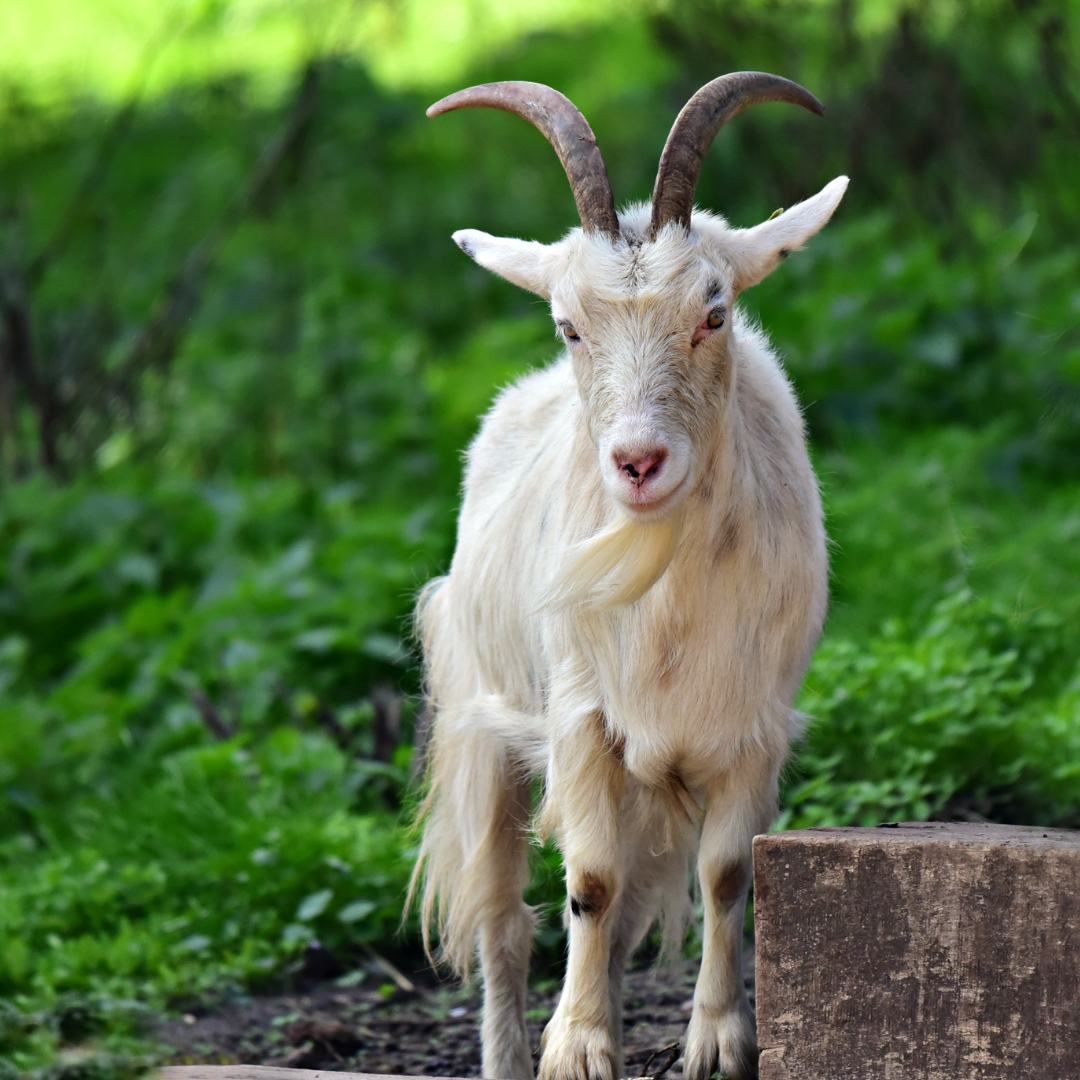
Wajib Qurbani (obligatory sacrifice) refers to the sacrifice of certain animals—such as camels, cattle, buffalo, sheep, and goats—performed as an act of worship (‘ibadah) and closeness to Allah (qurbah).
This sacrifice is performed during specific days of Dhul-Hijjah (Zilhicce), the 10th, 11th, and 12th days, and according to some opinions, also the nights of the 11th and 12th.
Performing Qurbani is not only a religious duty but also an expression of gratitude (shukr) to Allah. It also strengthens the values of sharing and helping others within the community.
Who Is Obligated to Perform Qurbani?
Wajib Qurbani is required for every Muslim who meets the following conditions:
- Adult (baligh)
- Sane (of sound mind)
- Free
- Possesses wealth above their basic needs and debts, reaching the nisab threshold
The nisab is approximately:
- 80.18 grams of gold (or equivalent wealth)
Such a person must perform Qurbani once a year during the days of Eid al-Adha. The first day is considered the most virtuous time.
Basic necessities include:
- A home
- Essential household items
- Transportation
- Clothing (daily, work, and special occasion clothes)
- One month’s living expenses for themselves and dependents
Qurbani for Children
For children who are not yet legally responsible, it is recommended (mustahabb) according to most scholars that guardians may perform Qurbani on their behalf.
Some scholars, however, consider it obligatory based on certain narrations. This shows the importance and care given to even young members of the family in Islamic tradition.
When Is Qurbani Performed?
Qurbani is performed during the days of Eid al-Adha:
- 10th Dhul-Hijjah
- 11th Dhul-Hijjah
- 12th Dhul-Hijjah
According to the Shafi’i school, it may also be performed until the 13th day before sunset.
It is recommended (mustahabb) to perform it on the first day if possible.
Which Animals Can Be Sacrificed?
The animals allowed for Qurbani are:
- Sheep
- Goats
- Cattle
- Buffalo
- Camels
Conditions:
- Must be healthy and free from major defects
- Must reach the required age:
- Sheep/Goat: at least 1 year old
- Cattle/Buffalo: at least 2 years old
- Camel: at least 5 years old
A lamb younger than one year may be accepted if it is physically mature and strong.
Sharing in Qurbani (Partnership)
- One sheep or goat = one person
- One cow, buffalo, or camel = up to seven people
All participants must intend worship (‘ibadah) and their shares must be equal.
If one person’s share is less than one-seventh, the Qurbani is not valid.
Agency (Wakalah) in Qurbani
Wakalah (authorization) means giving permission to someone else to perform an act on your behalf.
In Qurbani, a person may appoint someone else to:
- Purchase the animal
- Perform the sacrifice
- Distribute the meat
This can be done before the sacrifice and is fully valid in Islamic law.
How Is Qurbani Meat Distributed?
It is recommended (mustahabb) to divide the meat into three parts:
- One third for the poor and needy (sadaqah – charity)
- One third for relatives and friends
- One third for the family
However, it is also permissible to give all the meat in charity.
Important Rulings
- If someone fails to perform Qurbani on time, they cannot simply give its value as charity if they are wealthy.
- For poor individuals, if Qurbani becomes obligatory due to a vow (nadhr), the animal itself must be given if missed.
- Once Qurbani becomes obligatory, it remains a duty until fulfilled.
Conclusion
Wajib Qurbani (obligatory sacrifice) is not only a ritual act but also a deep expression of:
- Worship (‘ibadah)
- Gratitude (shukr)
- Social responsibility
It strengthens both faith and community bonds by sharing blessings with those in need.
May Allah accept our sacrifices and make them a means of closeness (qurbah) to Him.