



In the Sunnah (Prophetic tradition) of the Prophet Muhammad (peace be upon him), seeking treatment and looking for healing (shifa) is strongly encouraged.
While searching for a cure, Muslims are advised to:
- Pay attention to what they eat and drink
- Fast regularly (sawm)
- Give charity or offer sacrifice (qurbani)
- Benefit from natural remedies and herbs
This holistic approach is known as Tibb al-Nabawi (Prophetic medicine)—a system that uses natural and simple means for healing.
The Prophet (peace be upon him) said:
“Allah has created a cure for every disease, so seek treatment.”
This hadith encourages believers to take care of their health while trusting in Allah (tawakkul).
Senna (Sanamaki): A Healing Plant in Tibb al-Nabawi
Senna (sanamaki) is a well-known medicinal plant mentioned in traditional Islamic medicine. It grows mainly in regions such as Africa, India, and the Arabian Peninsula, especially around Makkah.
In Tibb al-Nabawi, senna is valued for its cleansing and balancing effects on the body.
It is known to:
- Help remove harmful substances from the body
- Support digestion
- Act as a natural laxative
- Balance bodily systems
It is also believed to strengthen the heart and help ease mental distress such as anxiety or obsessive thoughts (waswasah).
The Prophet (peace be upon him) said:
“Use senna. If there were a cure for anything besides death, it would be in senna.”
This highlights the strong healing properties attributed to this plant.
Use in Moderation
The guidance of the Prophet (peace be upon him) also teaches moderation.
A simple traditional method:
- Boil a handful of senna leaves in three cups of water
- Drink one cup in the morning and one in the evening
However, excessive use is not recommended. Like all natural remedies, overuse may cause discomfort.
It is reported that Asma bint Umays (may Allah be pleased with her) used senna as a remedy, and the Prophet (peace be upon him) approved its use.
In some narrations, senna was also mixed with date extract or other natural ingredients to enhance its effect.
Senna and Sinut
In some narrations, senna (sanamaki) is recommended together with sinut.
The Prophet (peace be upon him) said:
“Use senna and sinut, for in them is healing for every disease except death.”
The exact meaning of sinut is interpreted differently by scholars. It may refer to:
- Honey
- Cumin
- Dill
- Fennel
- Or a mixture of honey and clarified butter
All of these are known for their beneficial and soothing properties.
Benefits for Body and Mind
Senna is not only used for physical health but also for emotional and mental well-being.
It may help:
- Relieve digestive issues
- Clear the respiratory system
- Reduce inner restlessness (waswasah)
- Support overall detoxification
Today, senna is commonly used as:
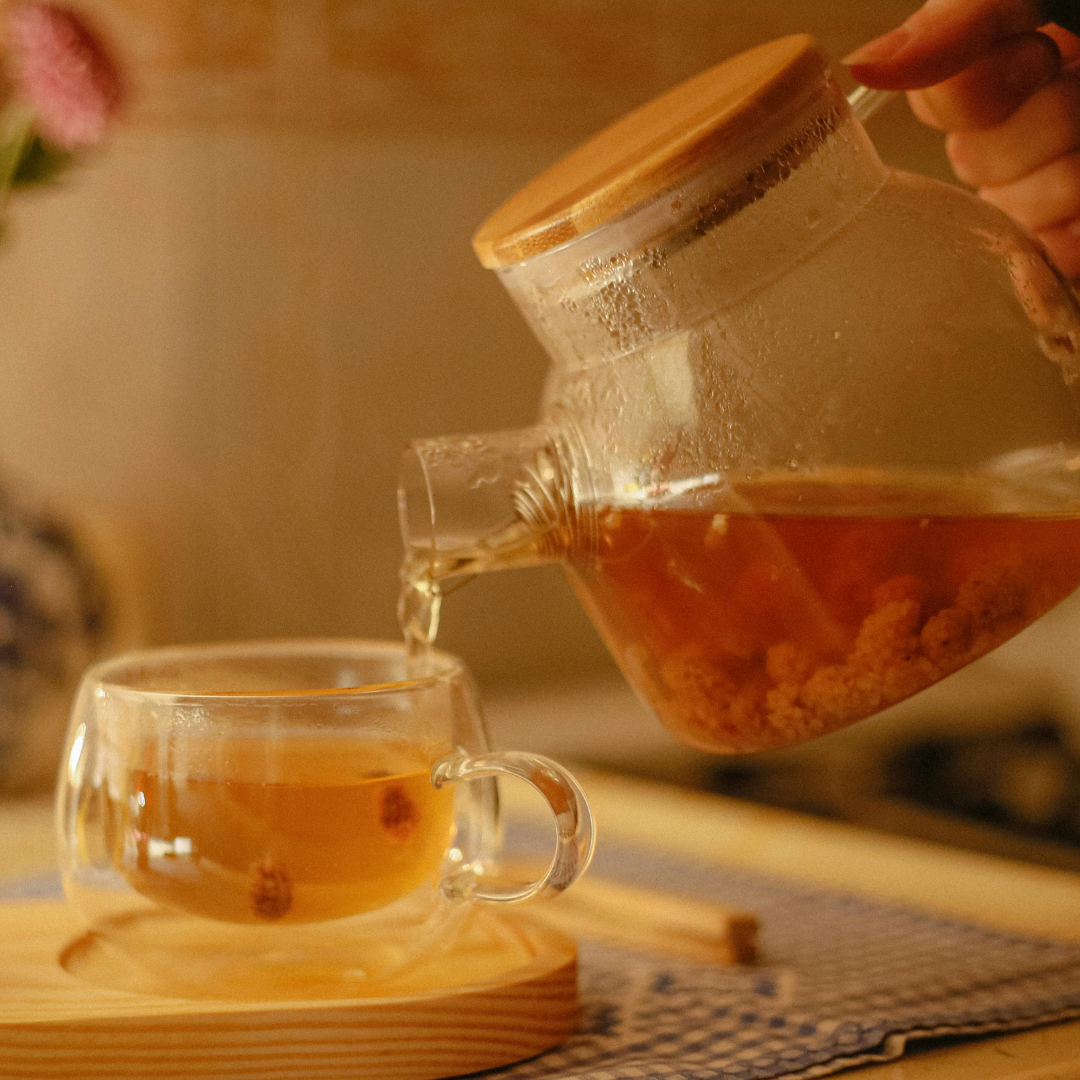
- Herbal tea
- Capsules or tablets (natural laxative)
However, long-term use is generally not recommended. It is best used when needed and with balance.
Modern Use and Everyday Benefits
In modern herbal practices, senna continues to be widely used.
It can be helpful:
- During travel
- After long periods of inactivity
- For temporary digestive discomfort
In some traditional markets, senna oil is also used for hair and skin care, believed to support hair roots and overall health.
Conclusion
Senna (sanamaki) is one of the natural sources of healing created by Allah.
When used correctly and in moderation, it can support both physical and spiritual well-being. Guided by the principles of Tibb al-Nabawi, such remedies remind us that healing comes from Allah, while we take the means (asbab).
May Allah grant us health, balance, and beneficial healing (shifa) in both body and soul.